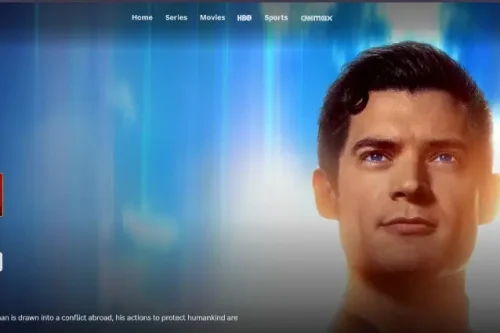
Barbie, Minecraft, Beetlejuice Beetlejuice, Godzilla vs. Kong,and nowSuperman.Beyond being global box office hits, all of these films have something in common: they were also produced in ASL (American Sign Language) versions and are available on the MAX platform in the United States.
This opens up a huge opportunity for Deaf audiences to fully enjoy the movies—with access to stories, emotions, and cultural experiences that were once out of reach.
What many people don’t know is that behind these productions there is a large team of Deaf and hearing professionals working together—researching signs, translating contexts, and ensuring the best possible experience. MAV, in partnership with Deluxe, is proud to help make this a reality.
And there’s a crucial detail: the interpreters who appear in these versions are always Deaf. This choice is not just technical; it’s symbolic. It represents identification, belonging, and—above all—the creation of space for Deaf people to play active roles within the film industry.
In Brazil, we still have a long way to go. Not only do we need to bring more Deaf talent in front of the cameras, but we also need to foster a collective awareness that inclusion is essential to our civilizational progress. Yes, we have laws and regulations. But the challenge goes beyond that: we need education and sensitivity so that hearing people begin to recognize Deaf communities as audiences, as clients, and above all, as citizens with full rights.
At MAV, we believe every step counts. And we continue working to ensure that cinema and audiovisual storytelling become increasingly plural, diverse, and truly accessible.